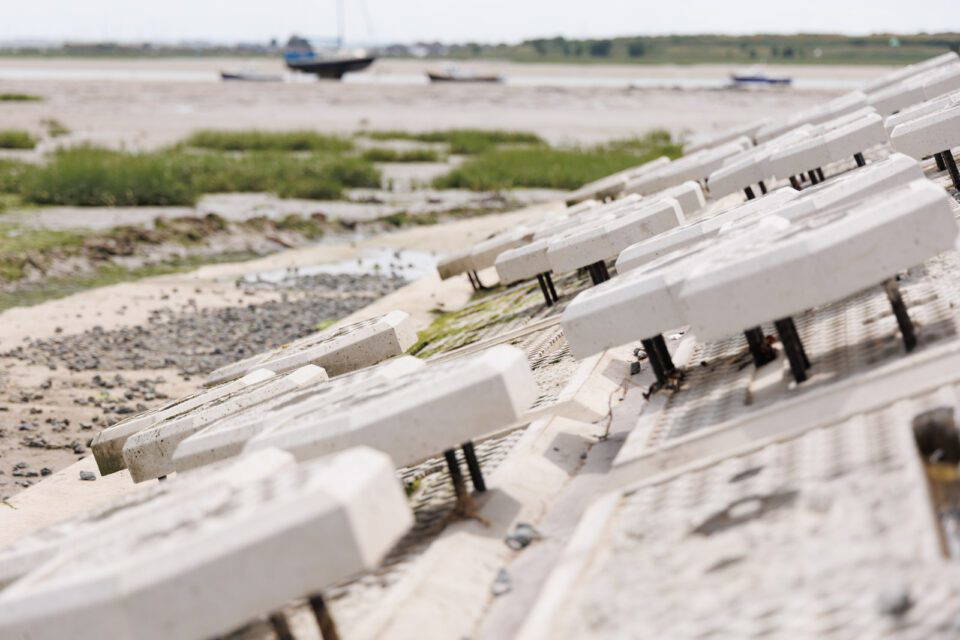
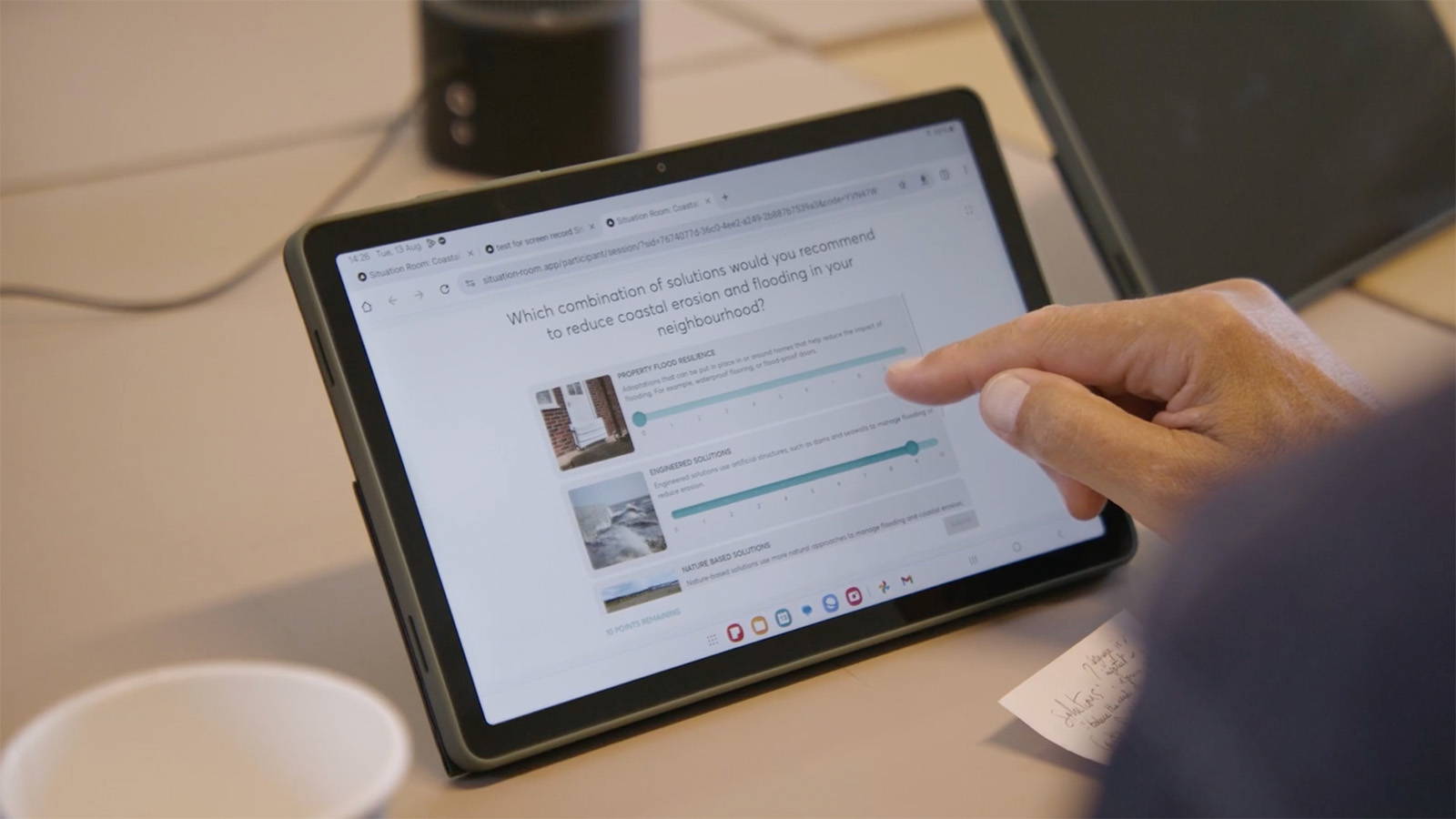
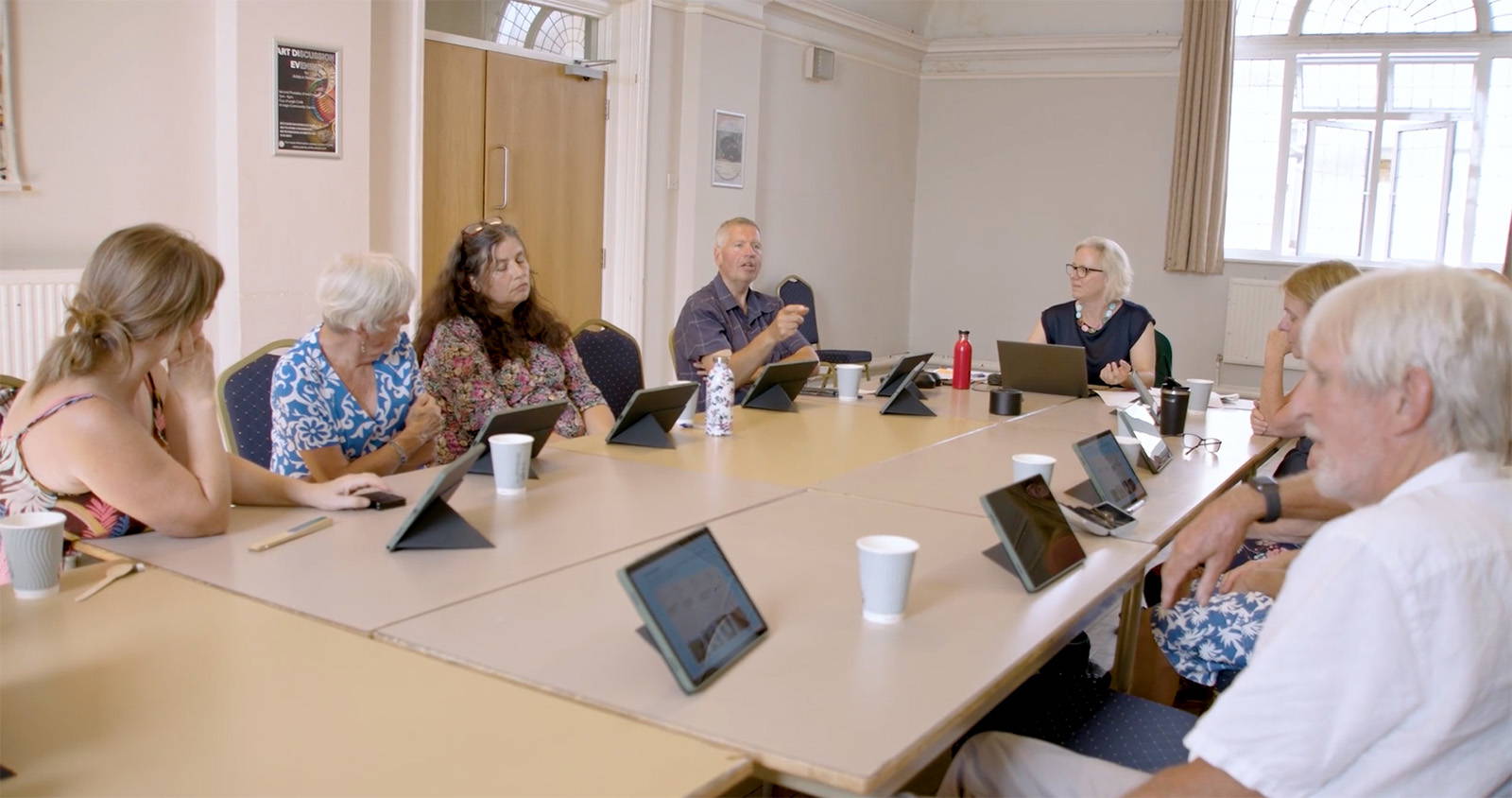
The Situation Room is an exciting project that ran in 2024 to gather the views of local residents on three big environmental challenges that are affecting Southend and Thurrock: coastal erosion, flooding, and water scarcity.
Participants of The Situation Room time-travelled into the future through fictional news broadcasts, to explore innovative solutions that could make Southend and Thurrock more resilient to climate change.
Almost 300 people joined us for The Situation Room experience, and the insights we gained are helping Catchment to Coast and its partners plan for a more resilient future.
What we heard from residents…
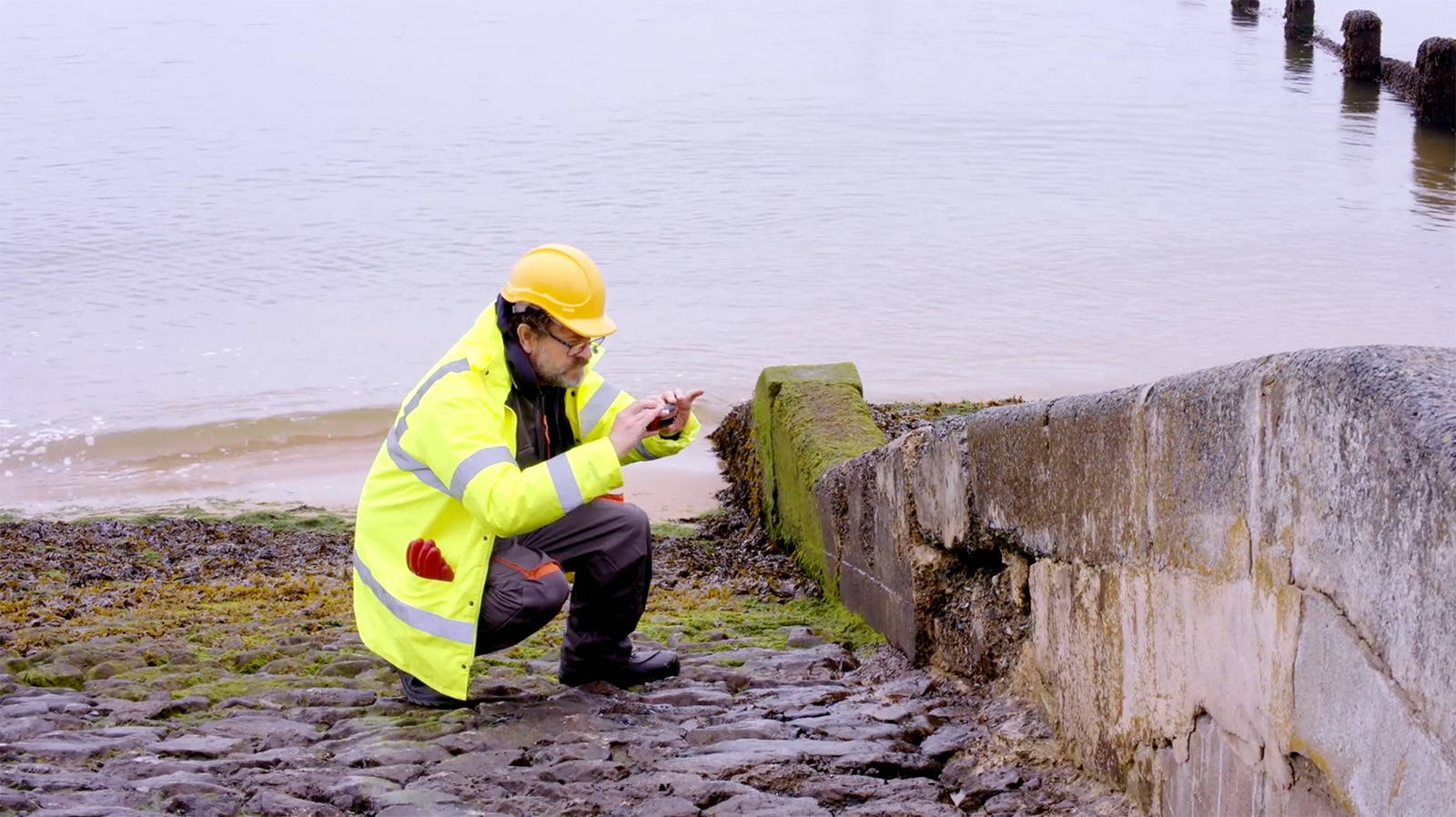
People want to see action being taken
- 93% of residents agreed it was important to take action now to address the impacts of climate change.
- There was strong support and preference for infrastructure projects that would make Southend and Thurrock more resilient to the effects of climate change.
- Including new approaches like salt marshes and rainwater harvesting systems as well as traditional engineered solutions like groynes and sea walls.
Residents strongly support nature-based solutions
- Nature-based solutions mimic natural processes to manage environmental challenges, such as flooding and coastal erosion.
- These kinds of solutions proved highly popular, with over 70% of Situation Room participants believing they could be implemented in their neighbourhoods.
- The Catchment to Coast programme is actively integrating nature-based solutions throughout the area.
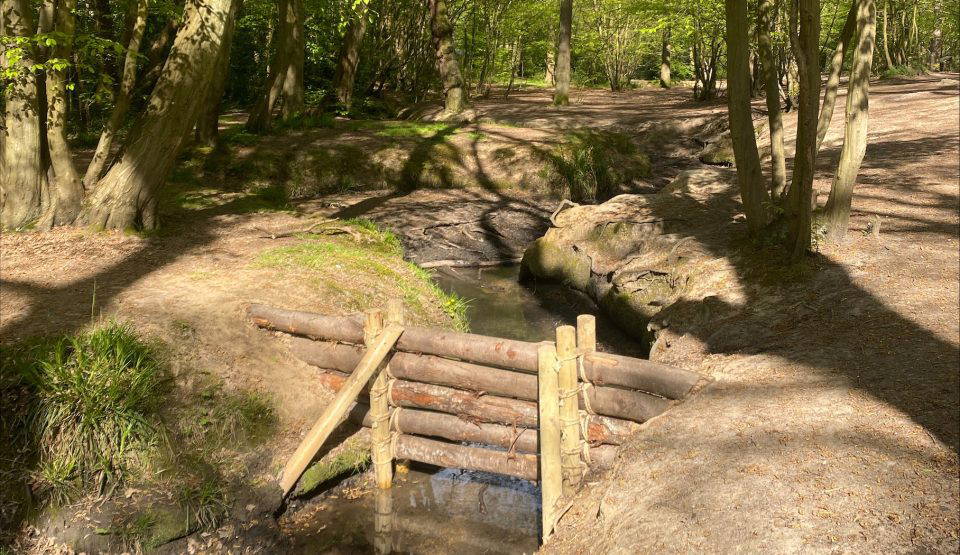
- Our implementation efforts include a variety of these solutions, such as leaky dams, sustainable drainage systems, wet woodlands, and salt marshes.
- People especially value the additional benefits that nature-based solutions provide – particularly improving air quality and supporting wildlife.
- But residents also emphasised the importance of robust maintenance plans and public awareness campaigns to prevent littering and ensure the long-term success of these initiatives.
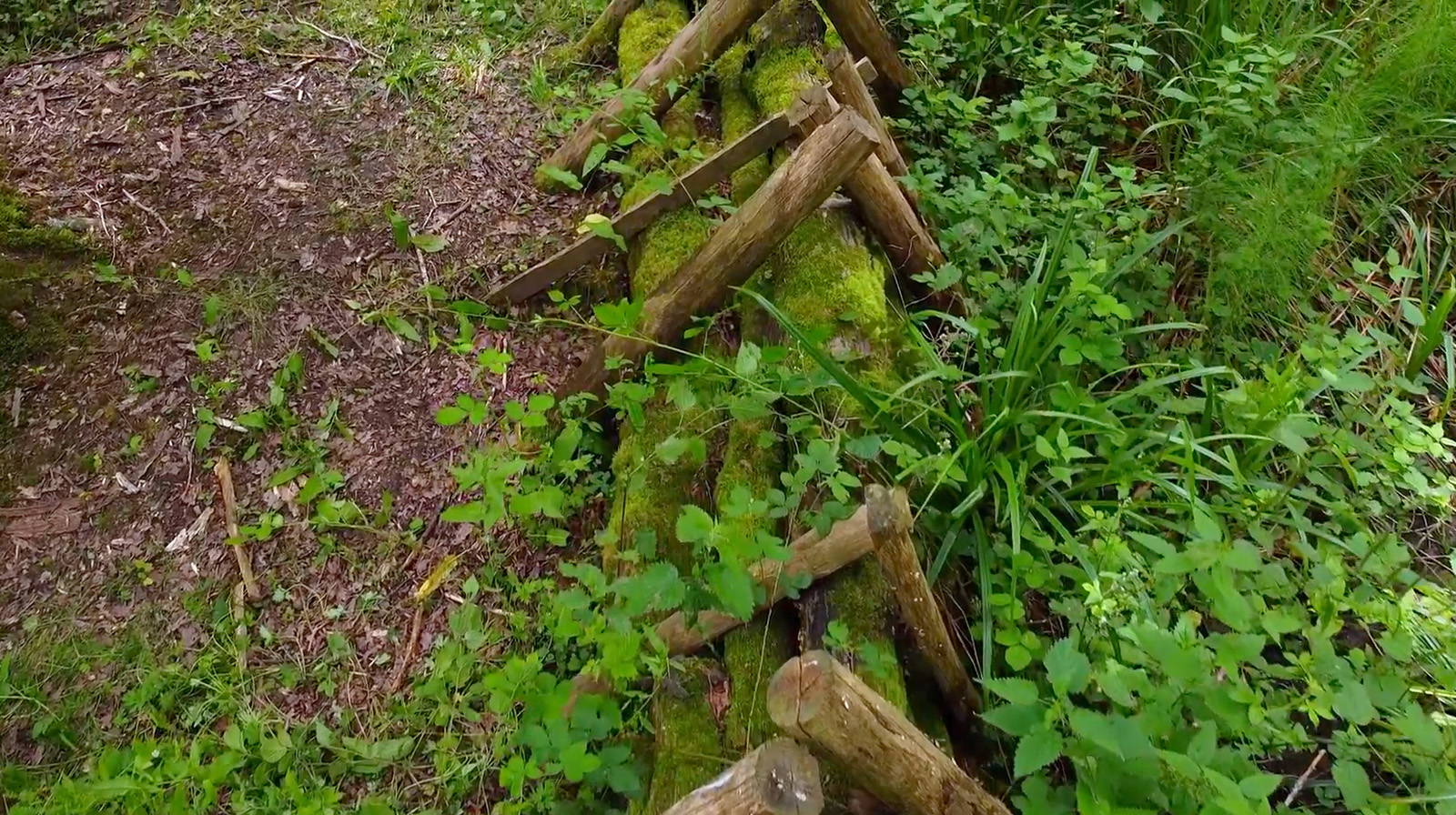
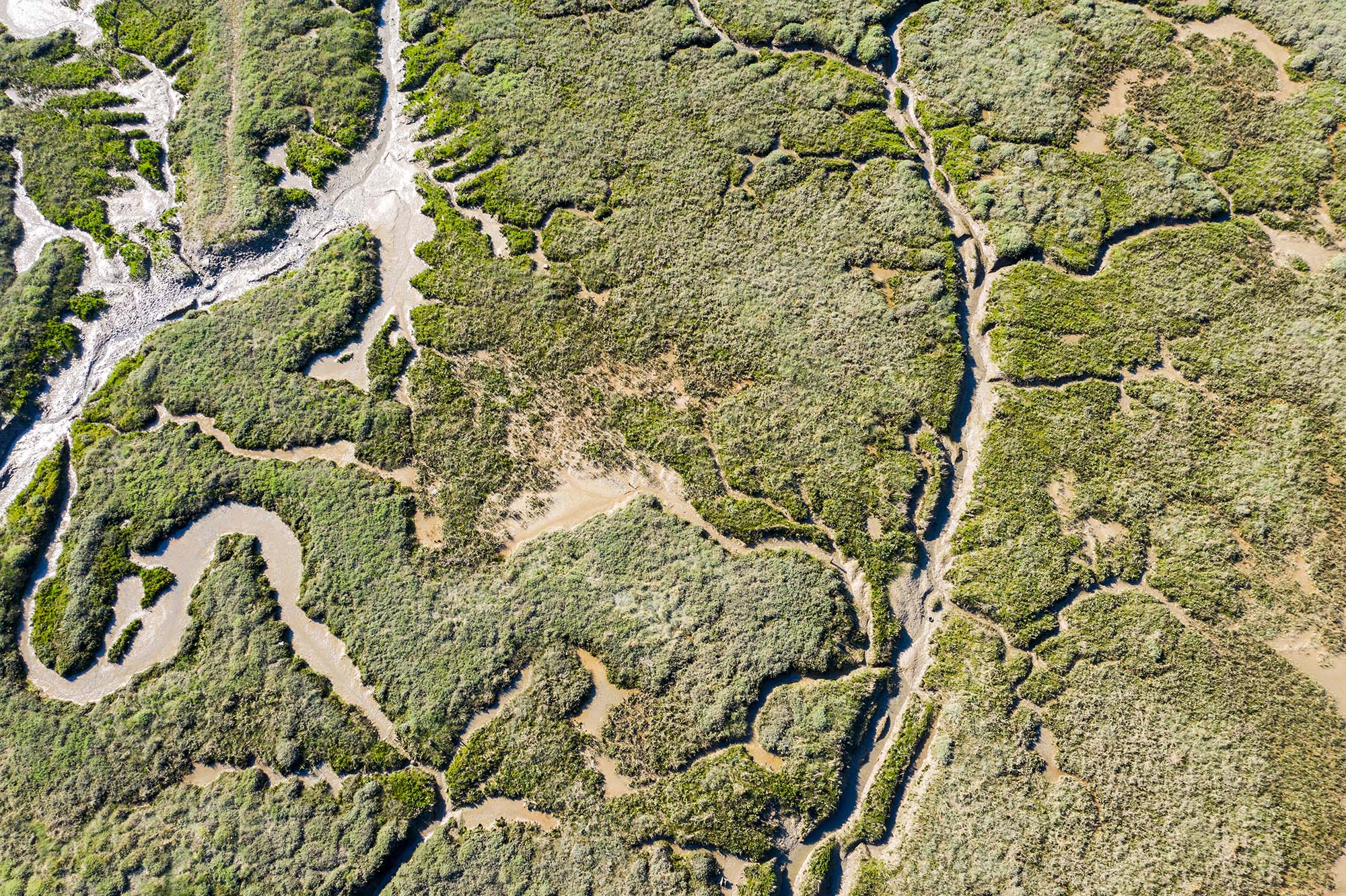
“I like that it is a natural solution, no unsightly building, it will encourage nature and wildlife.”
A participant of The Situation Room
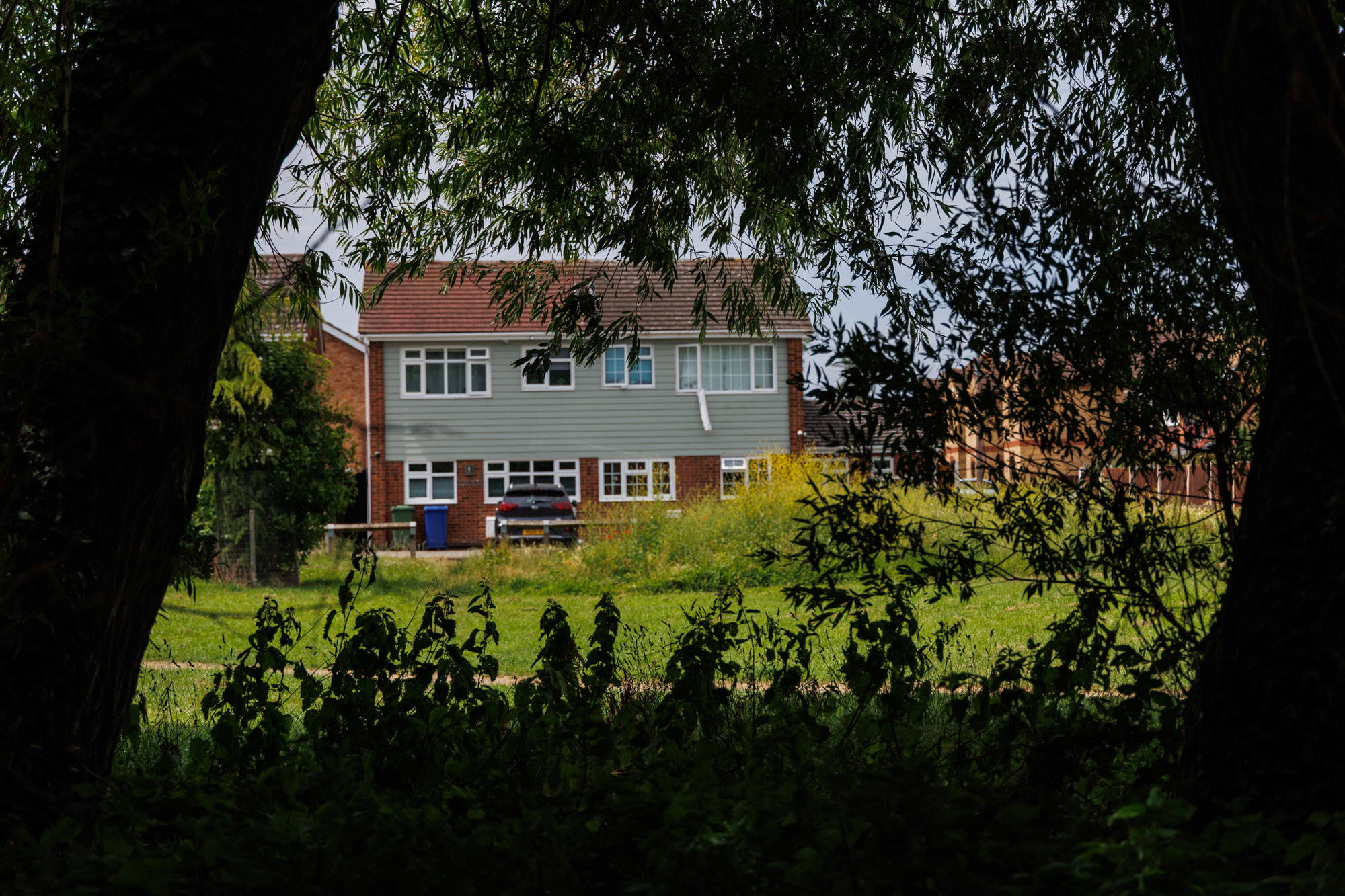
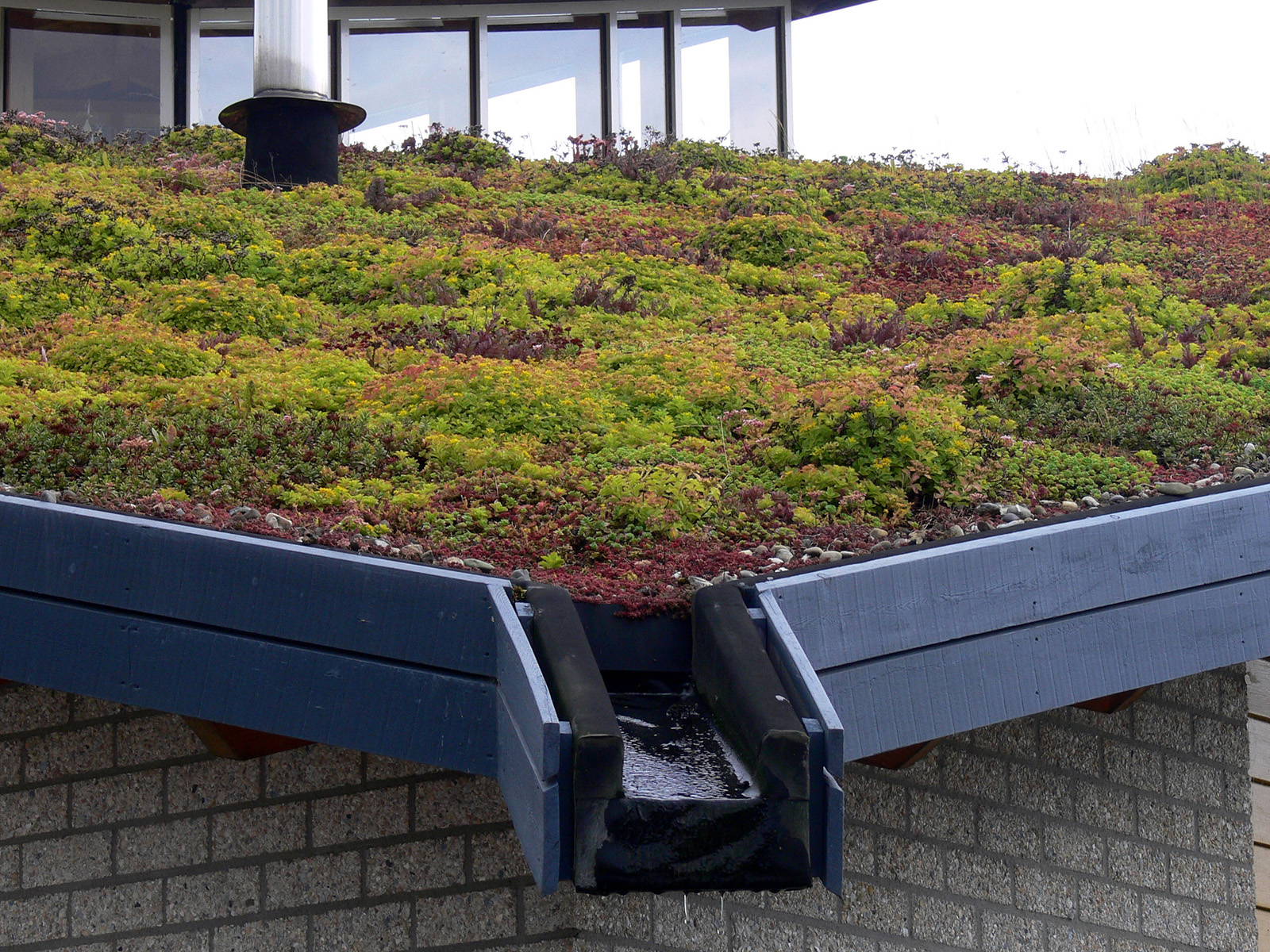
Residents welcome solutions near their homes to mitigate floods and droughts
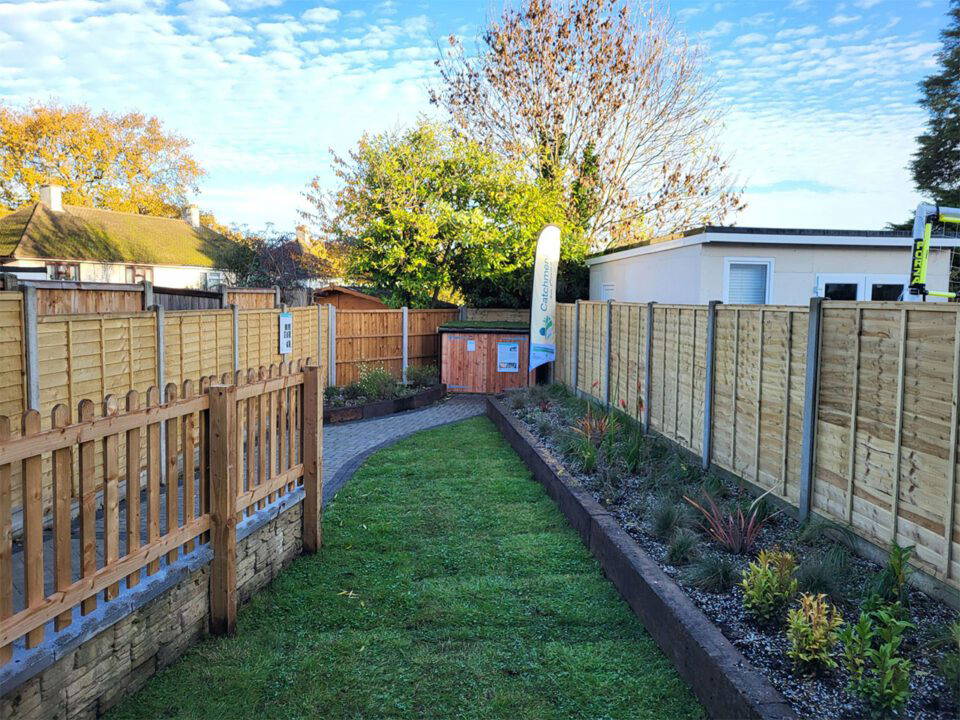
- Rainwater harvesting systems, which capture and reuse rainwater, were the top choice for tackling water scarcity, with 87% of residents supporting implementation near their homes.
- Sustainable drainage systems were the most popular choice for reducing flooding, with 89% supporting installations near their homes. These systems soak up excess rainwater, store it, and then slowly release it back into the environment.
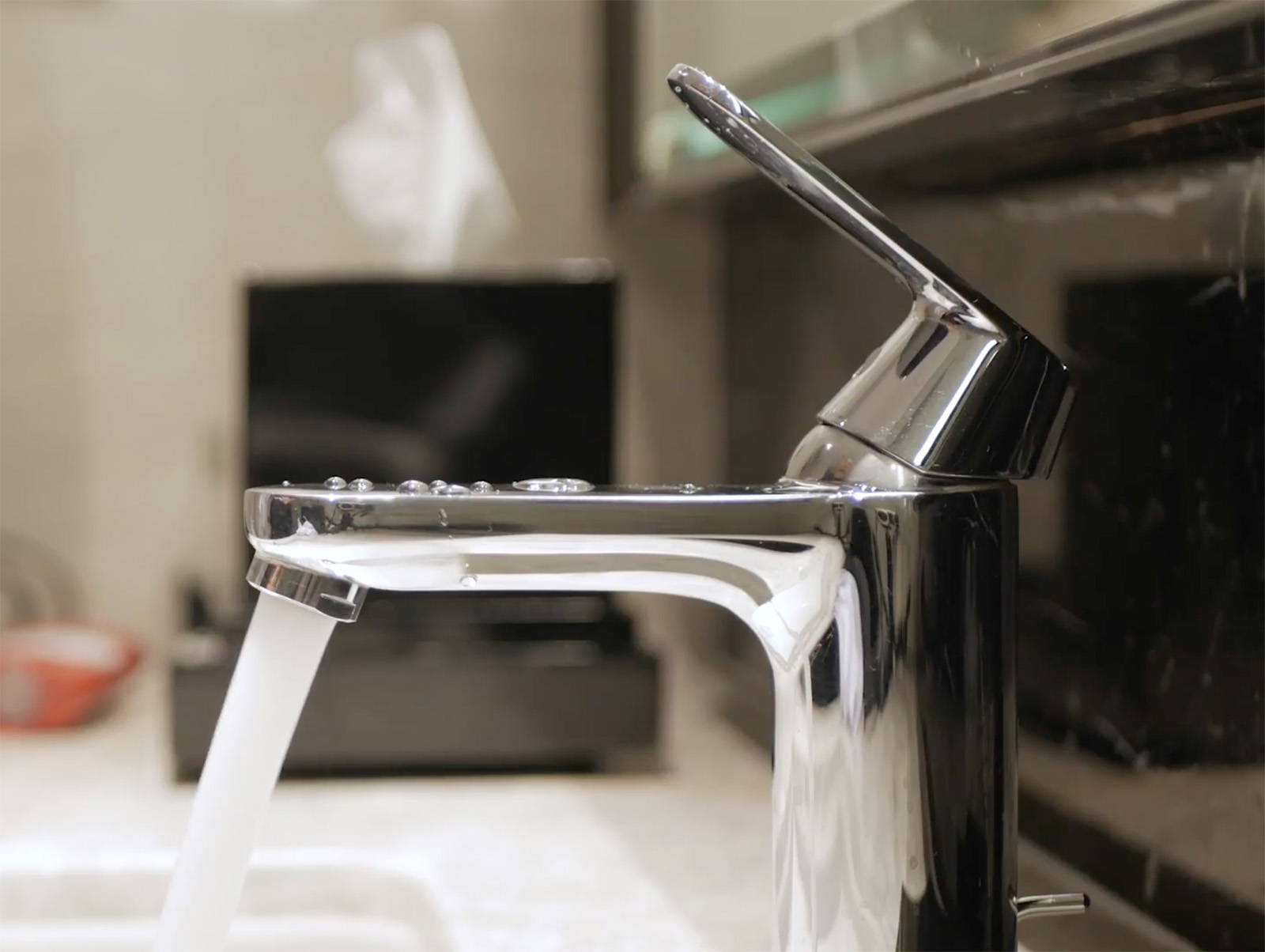
Residents are already taking action to conserve water, but they seek shared responsibility
- People are already making small but meaningful changes in their everyday lives to conserve water.
- Over three-quarters of participants reported taking simple water-saving actions, such as turning off the tap when brushing their teeth.
- But there was support for doing more, with reducing household water usage the second most popular measure for reducing water scarcity.
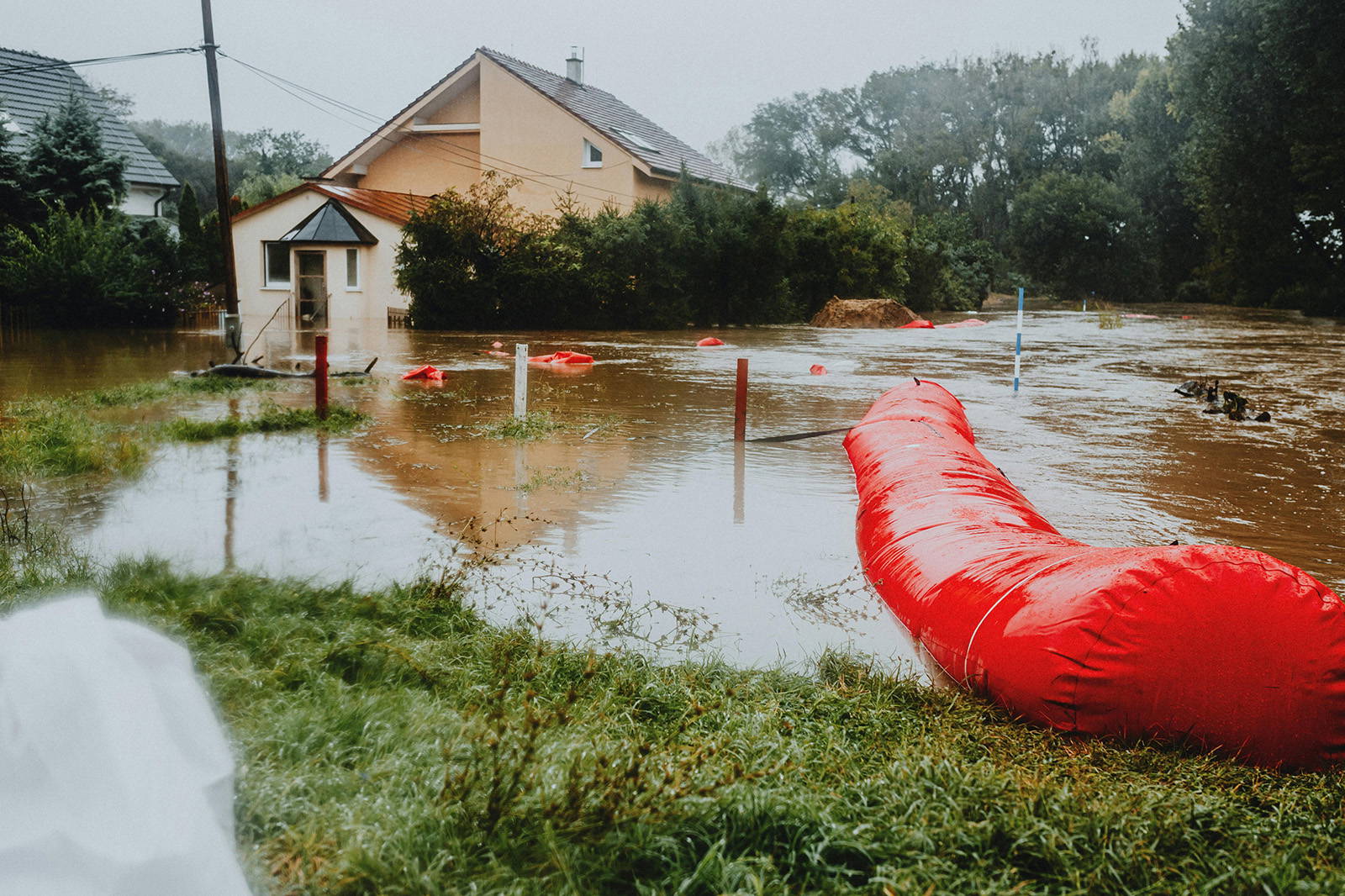
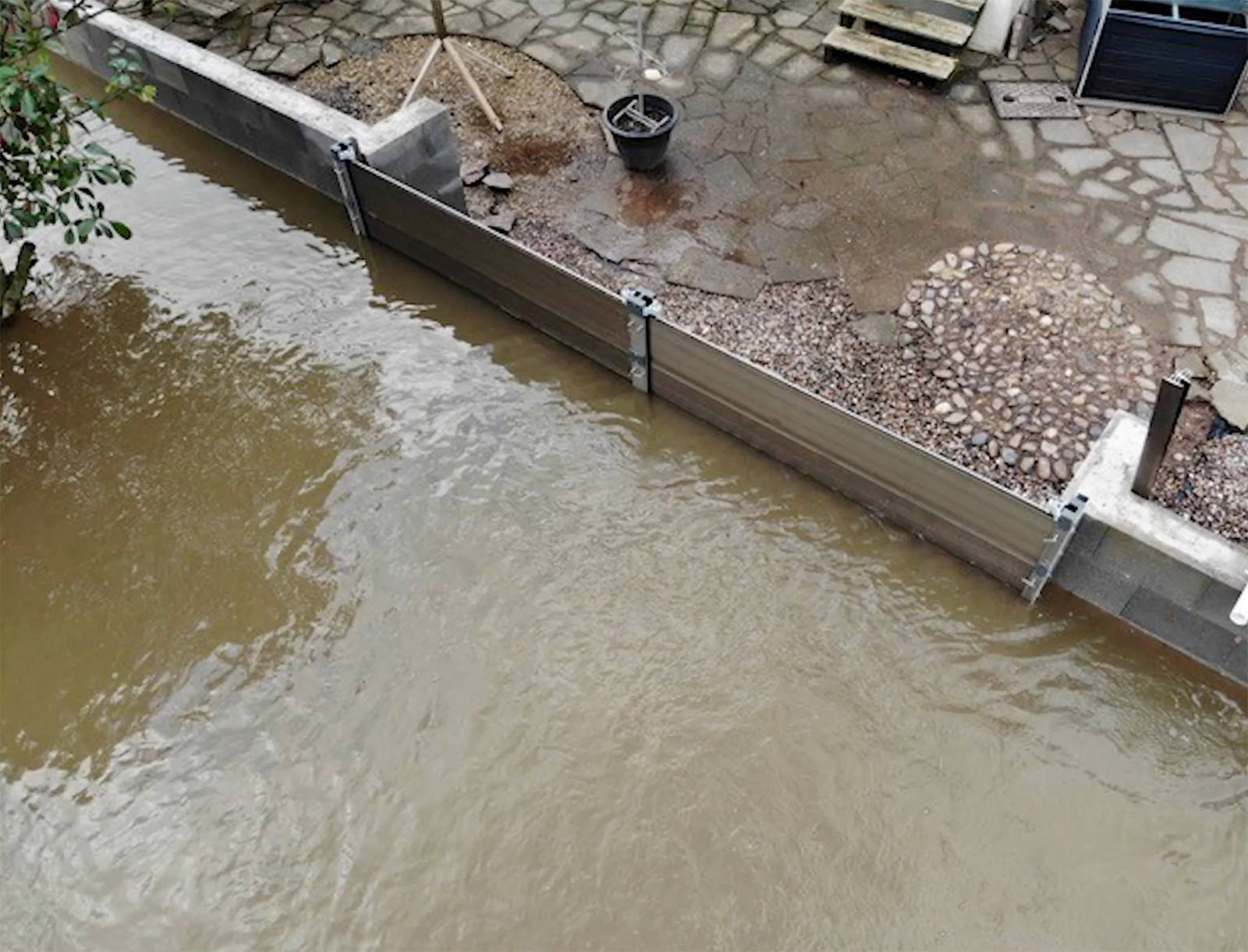
Residents support flood protection adaptations to homes
- 40% of residents said they already knew the flood risk to their area.
- An impressive 87% of residents expressed a willingness to install Property Flood Resilience (PFR) measures if their homes were at risk. These adaptations, like waterproof flooring or flood-proof doors, can significantly reduce the impact of flooding.
- Residents want assurances that new properties are built flood-resilient and not on floodplains, emphasising the responsibility of property developers.
- There was strong support for the council to retrofit social housing with flood resilience measures, ensuring that financial assistance is available so that everyone, regardless of income, can adapt their home.
“The savings of doing it, however expensive it is, is better than having everyone distressed because their houses are flooded.”
A participant of The Situation Room
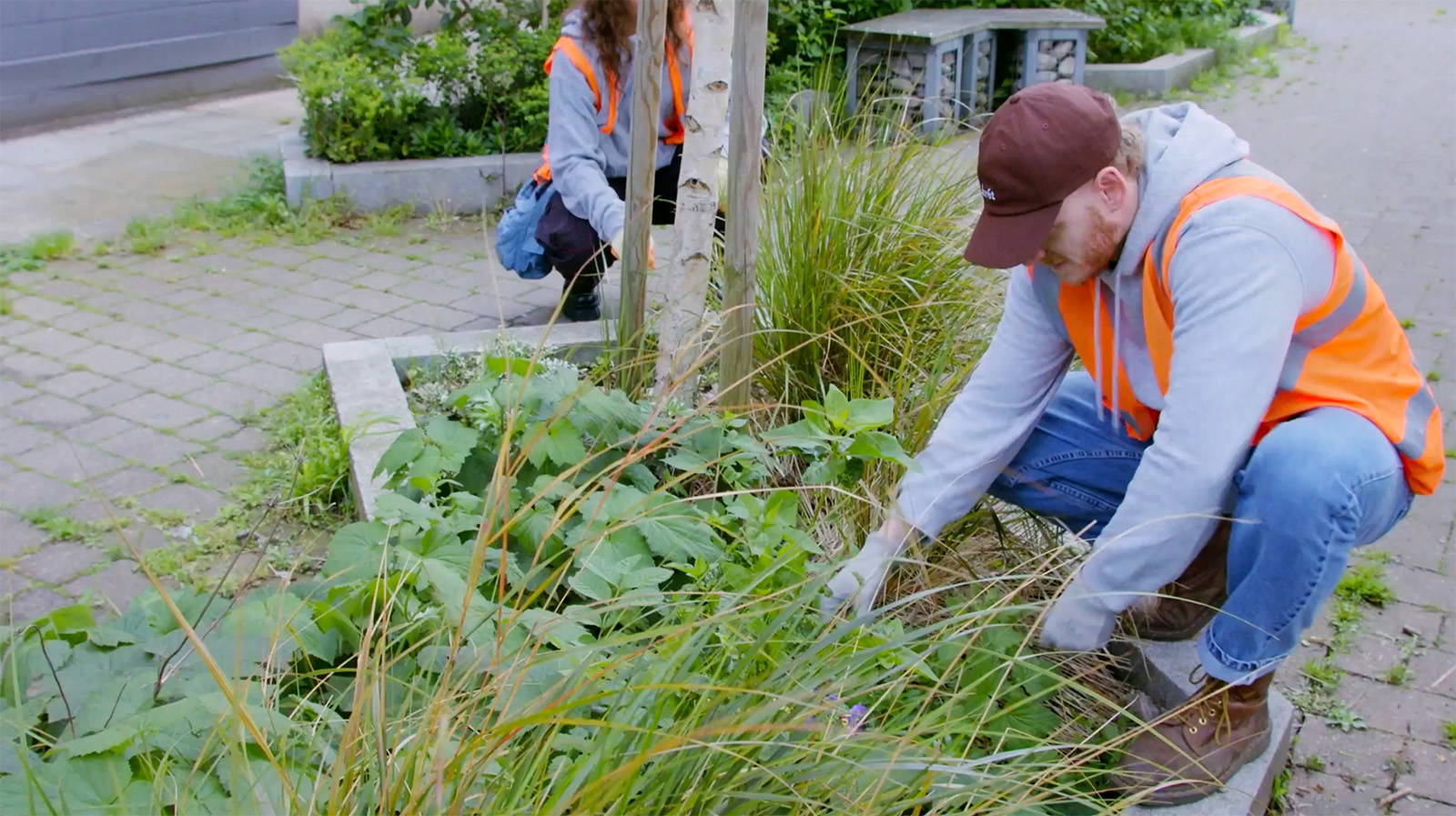
Residents are eager to volunteer for nature-based solutions
More than 85% of residents expressed willingness to volunteer in maintaining nature-based solutions like leaky dams, salt marshes, or sustainable drainage systems, provided the volunteering opportunities are well-supported and flexible.
“I like the idea of volunteering – it gives everyone a stake in it.”
A participant of The Situation Room
What is happening now?
With a powerful mandate from the community, the Catchment to Coast team and partners are moving ahead with a variety of exciting initiatives.
What can you do?
Whether you took part in the Situation Room or not, here are three key things you can do to help become more resilient to the increased flooding and drought caused by climate change.